

Communal Area Disrepair in Council and Housing Association Flats: What Tenants Can Do
or call Legal HD on 0800 031 5709
Communal Area Disrepair in Council and Housing Association Flats: What Tenants Can Do
or call Legal HD on 0800 031 5709
The law is very clear regarding a landlord’s responsibilities to provide a safe and comfortable home for their tenants, but when it comes to communal areas of a council or housing association property, many people can become confused. However, in general, the law applies much the same. Under the Homes (Fitness for Human Habitation) Act 2018 a landlord will be breaching a contract if a rented property is not fit for human habitation due to a disrepair issue. And in Section 11 of the Landlord and Tenants Act 1985, this also stipulates that the landlord is responsible for communal areas.
What are classed as communal areas?
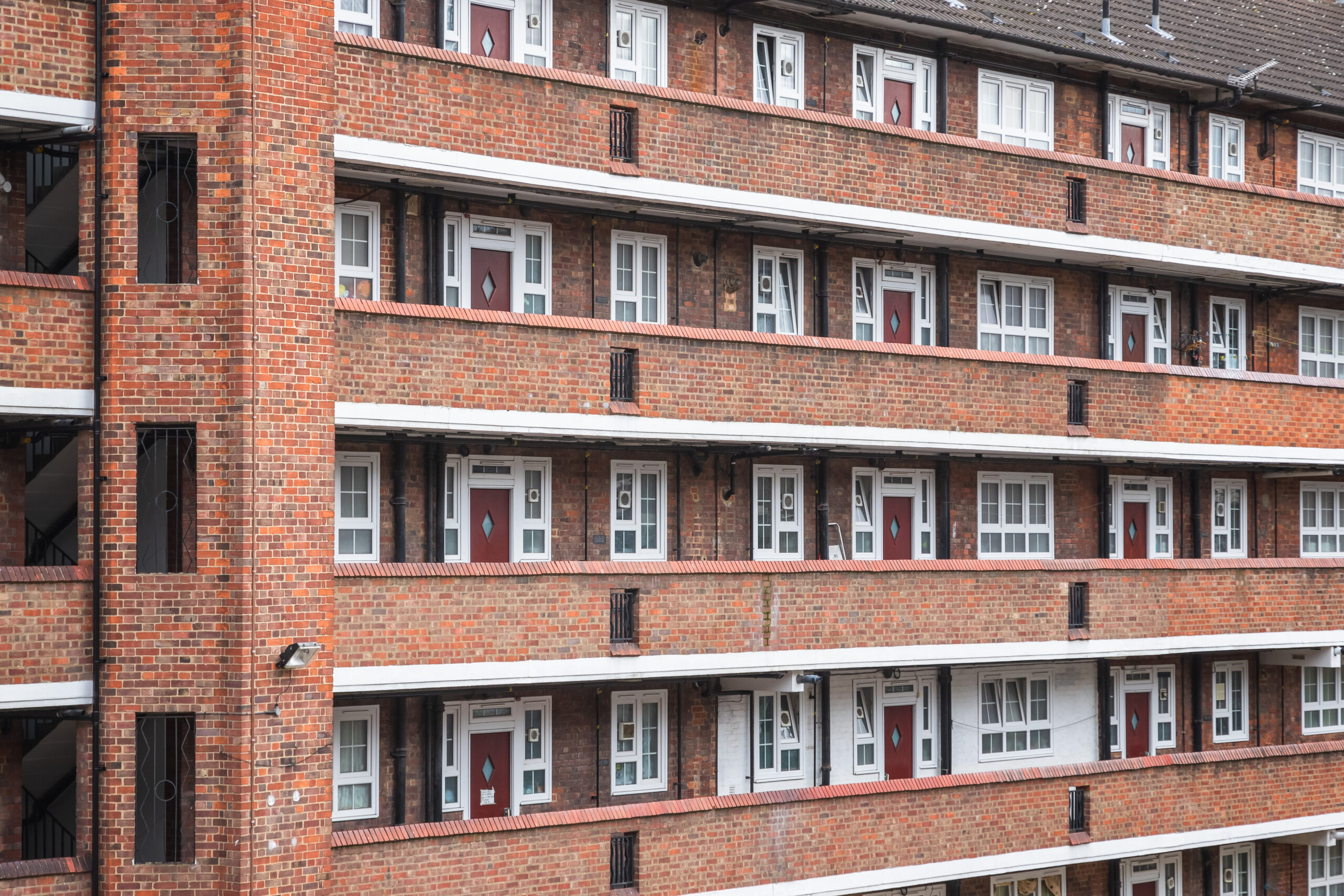
A landlord’s responsibility for providing a safe and comfortable home also extends to some communal areas. A tenancy agreement with an individual tenant obviously covers the basic internal confines and living areas of a flat, but a landlord also has responsibility under Section 11 of the Landlord and Tenants Act 1985 to carry out repairs on communal areas. These are common in some purpose-built flat complexes, and houses of multiple occupation where a building has been sectioned off into separate rental properties.
So communal areas would be hallways, entrance porches, stairways, yards and gardens, utilities installations and the external structure of the building. These are all areas that don’t specifically come under an individual tenancy agreement, but are integral to the building and are used by all tenants in a building. Under Section 11, communal areas fall under the landlord’s scope of responsibility, which is defined as any area in which the landlord has an estate or interest. In most cases the landlord will own the whole building, so they have responsibility to carry out repairs on the whole building. There are some external areas that don’t fall under the scope of Section 11, however, such as some access paths that lead to an entrance.
What disrepair issues can occur in communal areas?
Although communal areas aren’t usually subject to plumbing systems such as toilets or sinks, and don’t usually have heating systems or ventilation installed, they can be impacted by many of the same issues you might experience within your actual rental property. This can include areas of damp and mould, structural cracks, water leaks, broken windows, no lighting and maybe electrical problems if there are sockets installed. In external areas there may also be issues with rubbish and overgrown areas.
What to do if you are experiencing a disrepair issue in communal areas
- Report to landlord – In the first instance you should report the disrepair issue to your landlord as soon as possible. A disrepair issue can start to deteriorate quickly in some cases, so you should report it as soon as you are aware of it so the landlord can arrange a repair. In most cases a landlord can’t be made responsible for a disrepair issue if they don’t know about it.
- Check your tenancy agreement – You should refer to your tenancy agreement and check whether it contains specific clauses relating to repairs in communal areas.
- Talk to fellow tenants – You should speak to your fellow tenants that you share these communal areas with, and advise them that you have reported the problem.
- Keep a record – Maintain a record of when you reported the issue to your landlord, take photos of the problem, particularly if it is deteriorating. Also keep a record of all communications you have with the landlord following up the repair work.
- Keep paying rent – It is not advised that you stop paying rent as a protest against the unresolved disrepair issue. This could become a breach of your tenancy agreement and the landlord could have grounds to evict you.
- Follow up with the landlord – If the landlord has not responded to your report to resolve the issue, speak with your fellow tenants and consider a formal letter from all tenants asking for the repair to be carried out. This adds more weight to your complaint and may trigger the landlord to act.
- Contact Legal HD – If the landlord still hasn’t had the repair issue resolved after having been given a reasonable period of time to do so, you are entitled to start a claim and take legal action. At Legal HD we can work on your behalf to ensure the repair work is carried out, and can then represent you in seeking compensation to recover any costs you have incurred, or to cover any discomfort you have experienced in living with the disrepair issue.
Professional legal support with your disrepair issue from Legal HD
At Legal HD we can provide you with specialist legal support for your disrepair issue. We understand that many tenants in council housing and Housing Association properties can feel vulnerable and anxious about starting a housing dispute with their landlord. We also feel strongly that tenants have a right to justice. So contact Legal HD if you have experienced a disrepair issue in a communal area that your landlord hasn’t resolved, and we can help you find a satisfactory conclusion.