

The Hidden Housing Disrepair Problems Tenants Ignore Until It’s Too Late
or call Legal HD on 0800 031 5709
The Hidden Housing Disrepair Problems Tenants Ignore Until It’s Too Late
or call Legal HD on 0800 031 5709
It is common to experience housing disrepair issues in rental properties, and this can be a stressful time for tenants as they seek to protect their families and maintain a safe and comfortable lifestyle. There is also a fear of causing disruption and conflict by reporting disrepair issues to a landlord, combined with a lack of understanding of tenants’ rights. This often results in disrepair issues being ignored and not reported, and while a tenant might think a problem is minor and is not causing them a great deal of harm at the current time, there are several ‘hidden’ issues which can quickly develop into bigger problems.
Reporting these once they have developed to a critical stage could be too late, and for a few reasons.
Why is it important for tenants to report disrepair issue early?
Landlords have a basic duty to provide safe and comfortable rental accommodation. This includes a responsibility to react to housing disrepair issues in a timely manner, and particularly where issues relate to damp and mould, when landlords are bound by strict timeframes dictated by the new Awaab’s Law regulations. These responsibilities relating to housing disrepairs should be documented in the tenancy agreement, so it is important that tenants make themselves familiar with the basic outline contents of this document.
Tenants, therefore, need to be vigilant and aware of hazards and disrepair issues that develop around the property, and report them immediately. This includes every disrepair issue, however minor, because some small or ‘hidden’ issues can develop into major problems if they are not swiftly resolved. It is true that tenants have basic responsibilities to deal with some minor repair issues, such as changing lightbulbs and batteries, clearing drains and tightening loose screws. The tenant should not report these and expect the landlord to deal with them. However, there are other ‘minor’ disrepair issues which should be reported early, because they indicate a much bigger problem, at least potentially.
The hidden housing disrepair issues you must report early
- Small leaks – These can develop in various ways and if not resolved will always grow into a bigger problem, such as burst pipes, structural damage and flooding. If you see a yellow stain developing on a wall, for example, this is an indication of a small water leak in the vicinity, and merits further investigation.
- Peeling paint – If you see paint peeling or bubbling on a plastered wall, this is a classic sign that you have a condensation problem and this will turn into damp and mould. This is caused by either a lack of ventilation in the property or a water leak. Moisture will sit on cold surfaces if it has no way of drying out and this turns into problematic mould growth. The first sign of this is paint, or wallpaper, bubbling or peeling off.
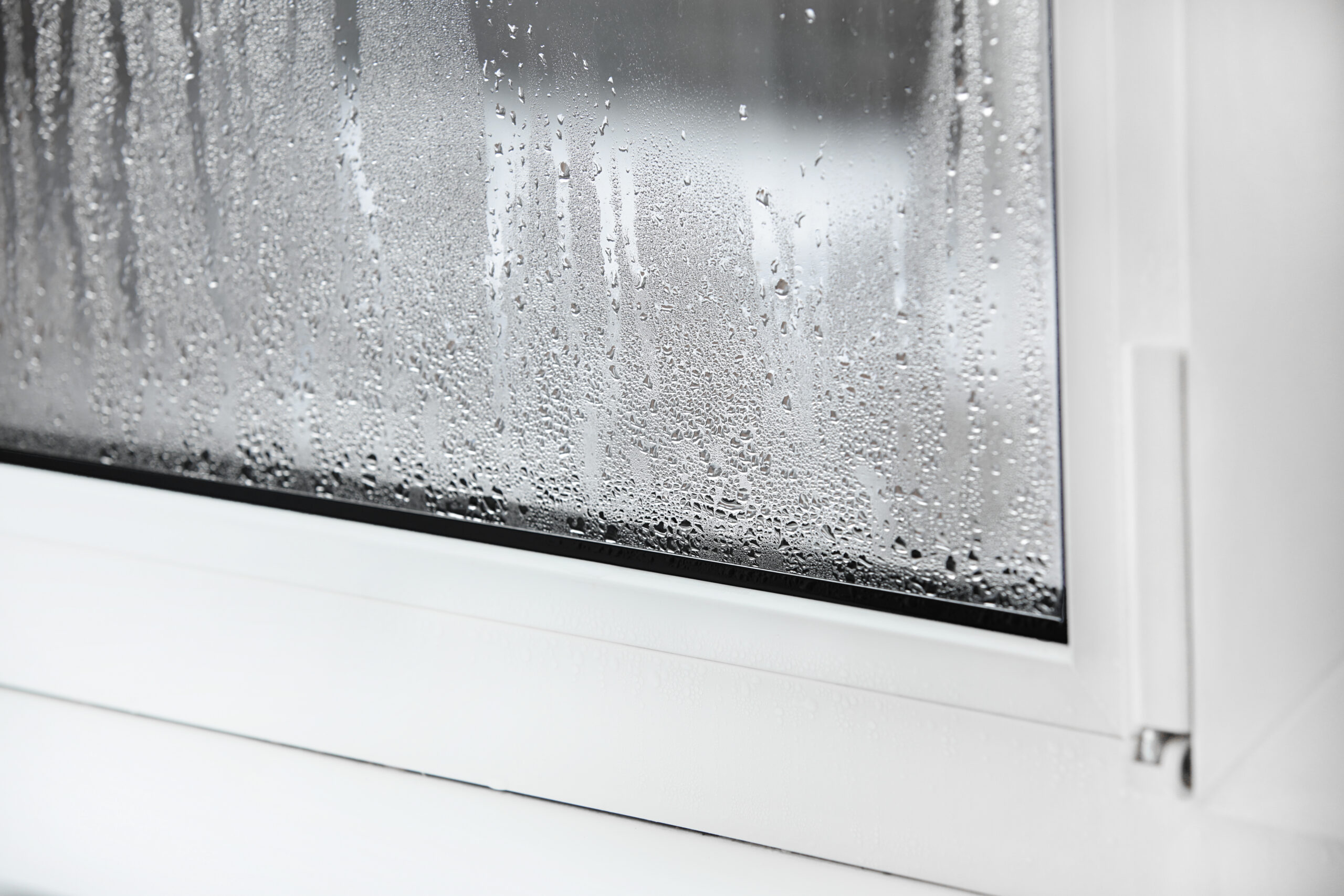
- Condensation – You will usually see condensation forming on windows in occupied rooms early in the morning, but it can also form on walls. It is another sign that there is insufficient ventilation and this will turn into damp and mould if not dealt with. This problem can be made worse if tenants dry washing inside or shower and cook without opening windows to let the moisture out.
- Musty smells – This is another early indication of a potential damp and mould problem, caused either by a water leak or a lack of ventilation.
- Faulty ventilation – If accommodation has a faulty ventilation system you might not feel like it is a big issue in summer when you can open windows to cool down the property, but it needs repairing as ventilation is important all year round, for the reasons outlined above.
- Damaged flooring – This needs reporting because it could be a tripping hazard, but it could also be sign of a bigger problem. Sometimes flooring such as bathroom tiles feels spongy and soft, and this could be an indication of water damage underneath, which can quickly develop into a big problem.
- Flickering lights – Although this might seem like a small issue and an occasional irritation, lights flickering (either intermittently or constantly) is a sign of an electrical problem which needs resolving. It is unlikely to just be a problem with a lightbulb which needs changing and is more likely a deeper electrical supply issue. This could result in electric shock or a fire if not reported and investigated immediately.
How to deal with minor disrepair issues as a tenant
- Report immediately – A tenant has a responsibility to report housing disrepair issues as soon as they are identified. While a landlord is responsible for resolving the issue, they can only do so once they know about it. If a problem is not reported early and has developed into a costly and difficult issue, the tenant could be considered negligent and held liable for some of this repair cost.
- Maintain the property – There are some everyday maintenance duties the tenant should carry out. We have mentioned changing lightbulbs and clearing drains, but this also includes keeping rooms ventilated and emptying bins. These basic duties can lead to disrepair issues if they are ignored.
- Document everything – Take photos and videos to document the problem. This is evidence to show how it gets worse, in case the landlord doesn’t resolve the issue and the matter develops into a formal dispute. Make a note of times, dates and communications and make sure you communicate in writing by email as much as possible.
- Access – The tenant must allow the landlord, or contractors employed by the landlord, access to the property to inspect the issue or carry out repairs.
- Legal advice – If the landlord has not resolved an issue within a reasonable timeframe, you can seek legal advice for support in taking the matter further. You may have grounds to make a housing disrepair claim to compensate you for costs, damage and disruption, while specialist legal help with housing disrepair issues can also advise and support on getting the disrepair matter resolved and making the property safe and comfortable.
If you identify a housing disrepair issue, however minor, consider your legal responsibilities as a tenant and make sure you report it immediately. And if a housing disrepair issue is not suitably resolved by your landlord, contact Legal HD for specialist legal support with housing disrepair.