

Top 10 Tenant Mistakes In Housing Disrepair Claims And How To Avoid Them
or call Legal HD on 0800 031 5709
Top 10 Tenant Mistakes In Housing Disrepair Claims And How To Avoid Them
or call Legal HD on 0800 031 5709
Housing disrepair issues can be a traumatic experience for tenants, particularly those in low-income households or those unfamiliar with their rights as tenants. In such situations tenants can feel vulnerable and anxious and this can lead to making rushed decisions, or panicking in the face of thinking they might be evicted for reporting a repair issue. It is therefore essential that tenants understand their rights and that they take expert advice from professional housing disrepair claims solicitors.
In the meantime, we have listed here the ten most commonly made mistakes when pursuing a housing disrepair claim, along with key advice on how to avoid them. In most cases these are relatively simple actions and the right advice from an experienced housing disrepair claims solicitor would ensure these mistakes are avoided.
1. Not reporting a disrepair issue in writing
In order for a claim to be valid and have grounds to be successful, a disrepair issue must be reported directly to the landlord. This initial report also acts as important evidence that you can use in your defence. You need a documented record of the report (an email or a letter is fine), with a date, and you need to ensure it is addressed directly to the landlord.
It’s important to keep copies of any letters or emails to prove you sent them (sending letters by recorded delivery is also advisable) as this starts an audit trail that contains conclusive evidence of when the issue was reported. Too often a tenant will report a disrepair issue by telephone, or will mention it to someone in passing and ask them to pass the information on to the landlord. This isn’t enough, as you can’t then prove that the landlord knew about the issue on a specific date, or at all.
2. Waiting too long to report the disrepair
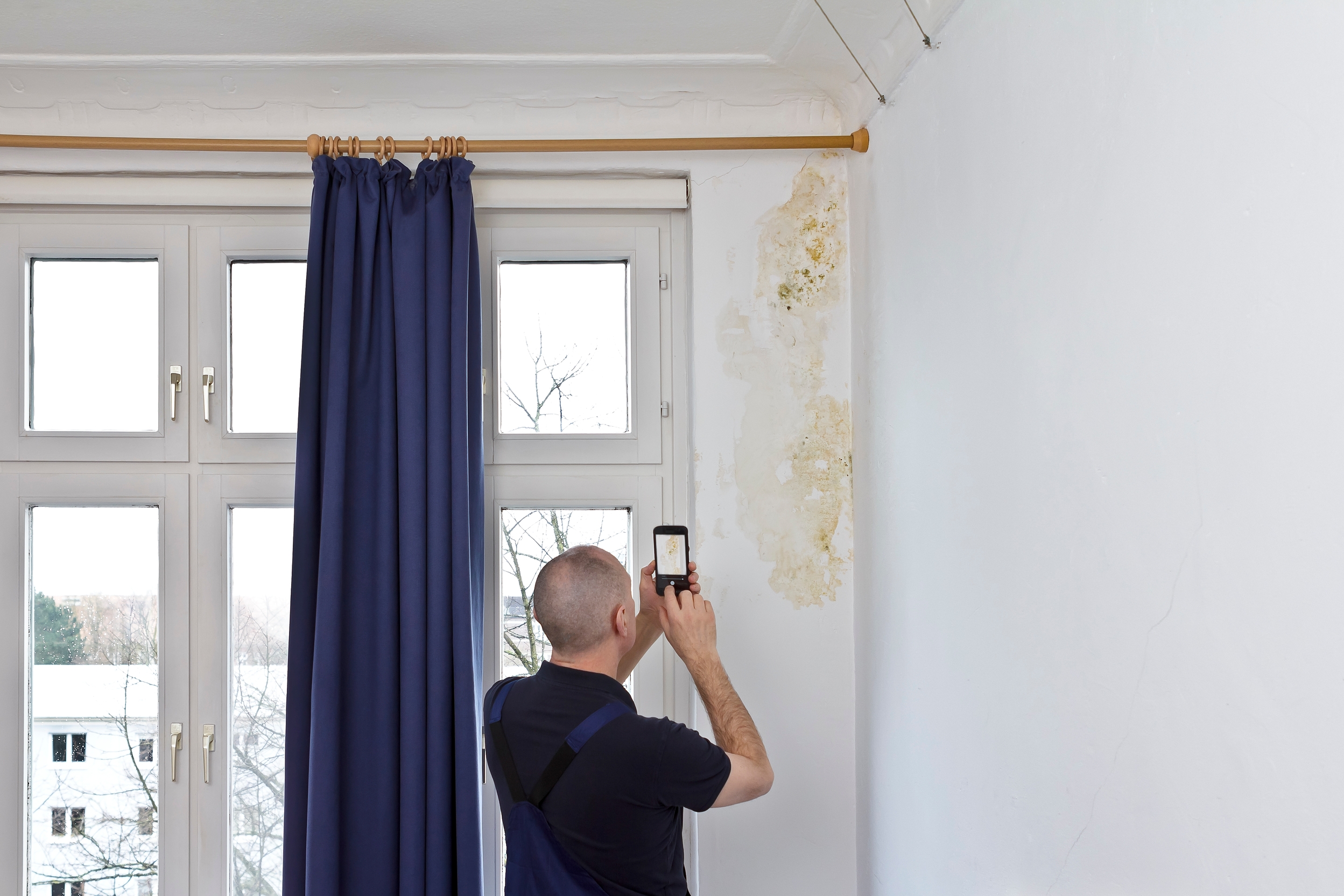
As soon as you are aware of a disrepair issue you should start gathering evidence (such as photographs) and it should be reported immediately. This ensures the landlord knows about the issue at a specific point and you can start to gather evidence in support of any potential claim. If the landlord doesn’t resolve the issue you have evidence that you have reported it and can keep taking photos to show how the issue is deteriorating and causing you more problems.
If you only report the issue at a later date when the problems have worsened, the landlord could argue that you should have reported it earlier, and that repairs will be more costly because they’ve been left to get worse. The landlord can’t be made responsible for a repair if they don’t know about it and delays won’t help your cause in proving liability.
3. Not gathering evidence
Issues such as damp and mould and leaking pipes can cause further damage and you need to take photos and videos of your personal items to prove this. These issues can also get much worse as time goes on, if they are not resolved. Taking date-stamped evidence can demonstrate how this is affecting you as a tenant, and how the issue not being resolved is making it much worse.
In addition to this, you should keep a diary of key moments and dates of when you reported issues and had communications. This all helps maintain an accurate timeline of events which can be used in formal legal proceedings.
4. Not allowing access for repairs
Housing disrepair issues can be stressful and unpleasant, but it’s important to maintain communications with your landlord. If contractors turn up to carry out repairs and the tenant refuses them access to do the work, this is an important mistake and could be a breach of your tenancy agreement.
Refusing access can negatively affect your chances of success in a claim situation, so you should co-operate at all times, and if something is inconvenient, arrange an alternative time.
5. Misrepresenting the claim
A tenant may be tempted to exaggerate some information in order to secure more compensation, or in a misguided attempt to strengthen their case. However, exaggerating the details of the case will do more harm than good as it is essentially misrepresenting the situation.
A landlord will gather their own evidence and have surveys carried out in preparation for the case, so it is very unlikely your information will stand up in court.
6. Not allowing ‘reasonable time’ to resolve the disrepair issue
Starting a formal claim a few days after reporting the issue will hamper your chances of pursuing a valid claim. A landlord must be given reasonable time to resolve the issue, based on the cost and complexity of the repairs. Good legal advice will explain to you what is ‘reasonable time’ in your case. Only after this has elapsed should you follow-up the report and start to think about legal proceedings.
7. Not paying rent
Your tenancy agreement will most likely state that you must continue to pay rent even if you are in dispute with the landlord and in this case have reported a disrepair issue. Not paying rent could lead to your eviction as it is a breach of your tenancy agreement.
Rent obligations are separate to any landlord dispute and furthermore, it will strengthen your case in formal legal proceedings if you have upheld your part of the agreement throughout the dispute.
8. Not attending to minor maintenance issues
Most tenancy agreements require tenants to fix minor maintenance issues themselves, such as changing a lightbulb, emptying bins and ventilating the property. Some of these could lead to disrepair issues, if not dealt with, and could be considered neglect on the part of the tenant. This is usually stated as the tenant acting in a ‘tenant-like manner’. This means opening windows and clearing up rubbish can prevent issues such as damp and mould or infestations.
In formal legal proceedings, the landlord could win the case if you haven’t addressed minor maintenance issues or acted in a tenant-like manner.
9. Not reviewing the tenancy agreement
If a tenant reports a disrepair issue without first checking their tenancy agreement, they may not realise whether the landlord is responsible for the problem. If it turns out the issue was actually the tenant’s responsibility, the claim could be dismissed as invalid.
The tenant should always seek to have a good understanding of the tenancy agreement and what their basic rights and responsibilities are.
10. Ignoring a pre-existing issue
Sometimes a tenant will move into a property and immediately see a disrepair issue. It is a mistake not to report this to the landlord particularly because there is no way you can be made liable for it.
You should report all defects and disrepair issues straight away to make sure the landlord is aware of them. Even if the problems existed before you moved in, you may still be able to make a claim if they are not resolved.
As a tenant you can avoid these common mistakes by taking good legal advice from a specialist housing disrepair claims solicitor before starting a claim.